
Repair 09: Why Downtown Events Feel Busy but Businesses See No Sales
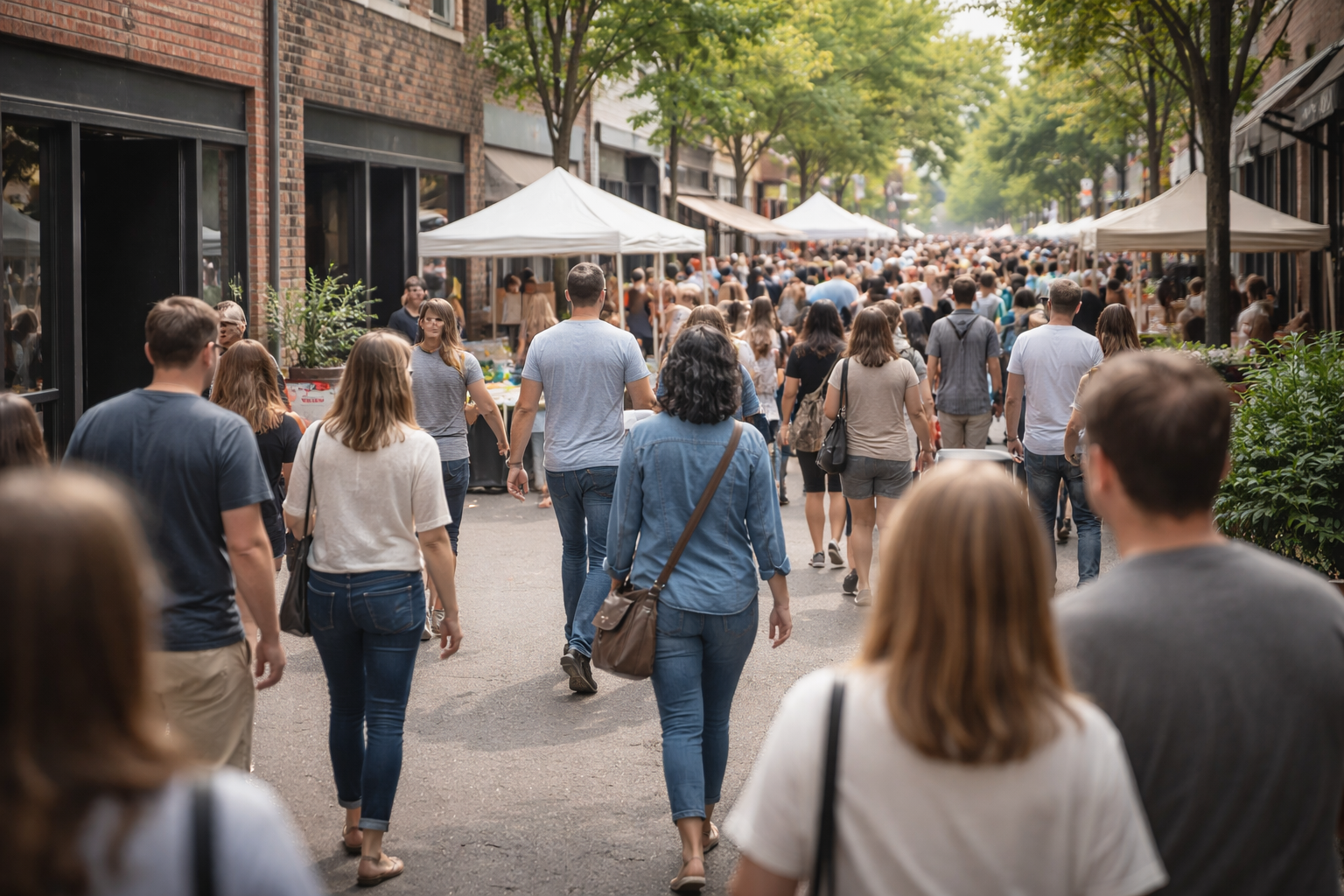
The gap between activity and impact
You pulled it off. The street was packed. Music played, kids ran around, people were everywhere. And then you talked to a business owner Monday morning and they said: "It was our slowest Saturday in months."
That's the most demoralizing thing you can hear after months of planning. And it happens more than anyone wants to admit.
Here's the hard truth: foot traffic and sales are not the same thing. A crowd is not a customer. And events that feel like wins can quietly drain the businesses you're trying to support.
Why This Keeps Happening
Most downtown events are designed to draw people in, and that's it. The problem is that drawing people in and moving money through local businesses are two completely different goals, and most events only plan for one of them.
The event becomes the destination instead of the gateway. Vendors fill the sidewalk and block storefronts. The stage gets placed at the far end of the street, away from shops. Hours run from 11 to 3 and half the retailers don't open until noon. Success gets measured by how many people showed up, not by whether anyone actually bought something.
Events don't just generate visits on a single day. They can serve as a launchpad for ongoing customer relationships, if businesses are positioned to make the most of them. That doesn't happen by accident.
The Fix
The goal isn't bigger events. It's events designed to move money through downtown, not just bodies past it.
Step 1: Decide Who You're Trying to Get to Spend Money
Before you book a band or pull a permit, answer one question. Who do we want spending money today? Families? Young professionals? Tourists passing through? Day-trippers from an hour away?
The answer shapes everything, from timing to layout to how you communicate with businesses. Events can serve many different audiences. They can't serve all of them at once without losing focus. Pick one and design for that person.
Step 2: Design the Layout Like a Shopper, Not an Event Planner
This is where most events go wrong. Event planners think about flow and safety. Shoppers think about what catches their eye and what's easy to walk into.
Walk your event route like a first-time visitor. Where does your eye go? Where do you stop? Are storefronts visible and accessible, or are they hidden behind vendor tents and fencing? Setting up areas for local businesses to sell products is one thing, but placement matters enormously. Vendor rows that replace storefronts instead of supplementing them pull dollars out of the district and put them into a canopy tent.
Put stages near businesses, not away from them. Use vendors to fill dead zones, not block entrances. Route foot traffic through retail corridors, not around them. If people never walk past a door, they won't walk through it.
Step 3: Loop Businesses In Before It's Too Late
Surprises kill sales. A business owner who finds out about a road closure two days before your event isn't going to be prepared to capitalize on the crowd.
Involving local businesses in the planning and execution creates a sense of ownership, addresses concerns ahead of time, and encourages them to actively support the district. Share the schedule early. Encourage extended hours or event-day specials. Give them something to promote to their own customers. Businesses that understand the plan can participate in it. Businesses that feel like bystanders usually act like bystanders.
Step 4: Measure What Actually Matters
Attendance is easy to count. It's also the least honest number you have. Measuring real economic impact means tracking things like increased spending in local businesses, not just headcounts.
After every event, ask your businesses three things. Did your sales go up? Was it worth staying open? What would make it better next time? Those three questions will teach you more than any attendance report. One Wisconsin downtown found that attendees at a local event visited an average of five businesses they'd never been to before and planned to return to eight of them. That's the kind of data that tells you whether an event is actually working.
Track it simply. A quick survey to ten businesses after the event takes twenty minutes and gives you real signal.
The Mistakes That Keep Repeating
Treating outside vendors as the main attraction is the most common one. They feel like easy programming, but every vendor dollar spent is a dollar that didn't go to a storefront. Use them to fill gaps, not take center stage.
Planning events without business input is a close second. Your businesses know their customers better than you do. A five-minute conversation before you finalize the layout might change everything.
The most expensive mistake is repeating events that don't deliver results just because they look good in photos. A full street and empty registers isn't success. It's a very expensive way to feel busy.
What to Do This Week
Before your next event, run through this checklist.
✓ Name the one audience you're designing for and note their spending habits
✓ Walk the route like a shopper and mark every blocked entrance or hidden storefront
✓ Contact businesses at least three weeks out and share the plan
✓ Set one sales-related goal alongside your attendance goal
✓ Send a five-question survey to businesses the week after
Small shifts in how you plan, not how big you go, are what change outcomes.
How We Help
This is one of the issues addressed through Event Strategy Review with our Downtown Destination Positioning services. We help communities design events that support businesses and build long-term downtown momentum, not just create activity that looks good on a recap sheet.
This post is part of The Downtown Repair Manual, a field guide to fixing common downtown problems one issue at a time.
A packed street doesn't mean a profitable day. Design does.