Fieldwork
Find a Downtown Like Yours
Each case study below starts with the condition that stalled progress, followed by what RAD did and what changed. Start with the one closest to your situation:
Vacant buildings that incentives haven't filled: Arcola, Illinois
Strong visitor traffic with marketing spread across separate efforts: Grand Haven, Michigan
Local interest that isn't turning into new businesses: Delavan, Illinois
A plan that stalled because of leadership turnover or politics: Pekin, Illinois
Reinvestment underway without enough local capacity to carry it: Aledo, Illinois
Years of false starts and low public confidence: Havana, Illinois
How the Work Starts
Before recommending anything, RAD answers three questions:
What’s actually stopping progress?
What has the community been treating as the problem?
What can the organization take on next with the staff, money, and political support it has now?
The answers set the order of the work. In Arcola, every downtown commercial building was inventoried before a new incentive program was recommended. In Grand Haven, the existing brand platforms, events, and promotions were organized into one marketing system instead of adding another campaign. That's why no two of these engagements look the same.
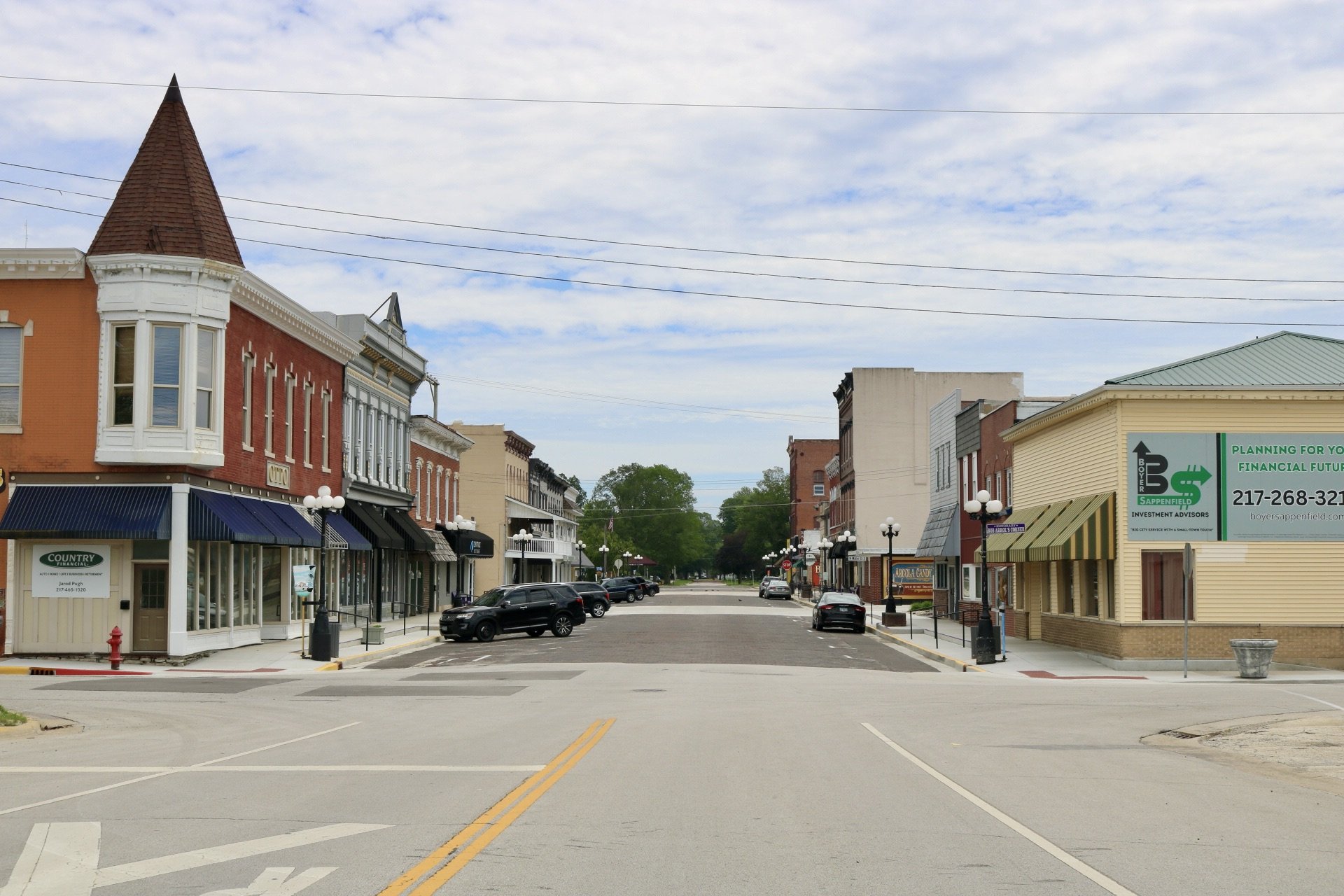
Arcola, Illinois
Momentum Condition: Investment without building readiness
Primary Focus: Property-by-property stabilization, reuse, and investment strategy
Engagement: Vacancy to Vibrancy Downtown Property Action Strategy (Summer 2026)
Downtown Arcola had years of public investment, entrepreneurship activity, and community attention behind it, but several prominent storefronts remained vacant or underused. The City engaged RAD to assess downtown property by property and find out what was keeping those spaces from moving.
Most buildings were occupied, maintained, or reusable. The serious problems (deferred maintenance, upper-floor disuse, rehabilitation costs, and ownership circumstances) were concentrated in a small group of properties. The work built a framework for deciding which buildings need attention first, what kind of intervention fits each one, and where limited City resources will do the most.
What changed
36 downtown commercial properties were inventoried by condition, occupancy, ownership, and redevelopment potential
A four-part condition framework placed six properties in the two most serious categories
Five priority properties were selected for focused action over the next 24 months, and three more vacant properties were identified as near-term Ready for Reuse opportunities
A proposed Downtown Building Stabilization & Reuse Program gives larger projects a path beyond the existing $20,000 storefront grant
Existing TIF and Business Development District commitments were folded into the strategy, and future public assistance was tied to defined scopes, schedules, private participation, and completion requirements
Property standards and enforcement were paired with incentives and technical assistance
A 24-month property action pipeline gives staff and City Council a way to track progress building by building
Why it matters
Some of Arcola's vacant buildings can support a tenant with limited work. Others need roofs, masonry, structural repairs, or new ownership first. Treating them as one vacancy problem would have spread limited resources too thin. The strategy was presented to the Arcola City Council in September 2026. Implementation is just beginning, with 24-month targets for moving priority properties, reducing at-risk buildings, and returning vacant spaces to use.
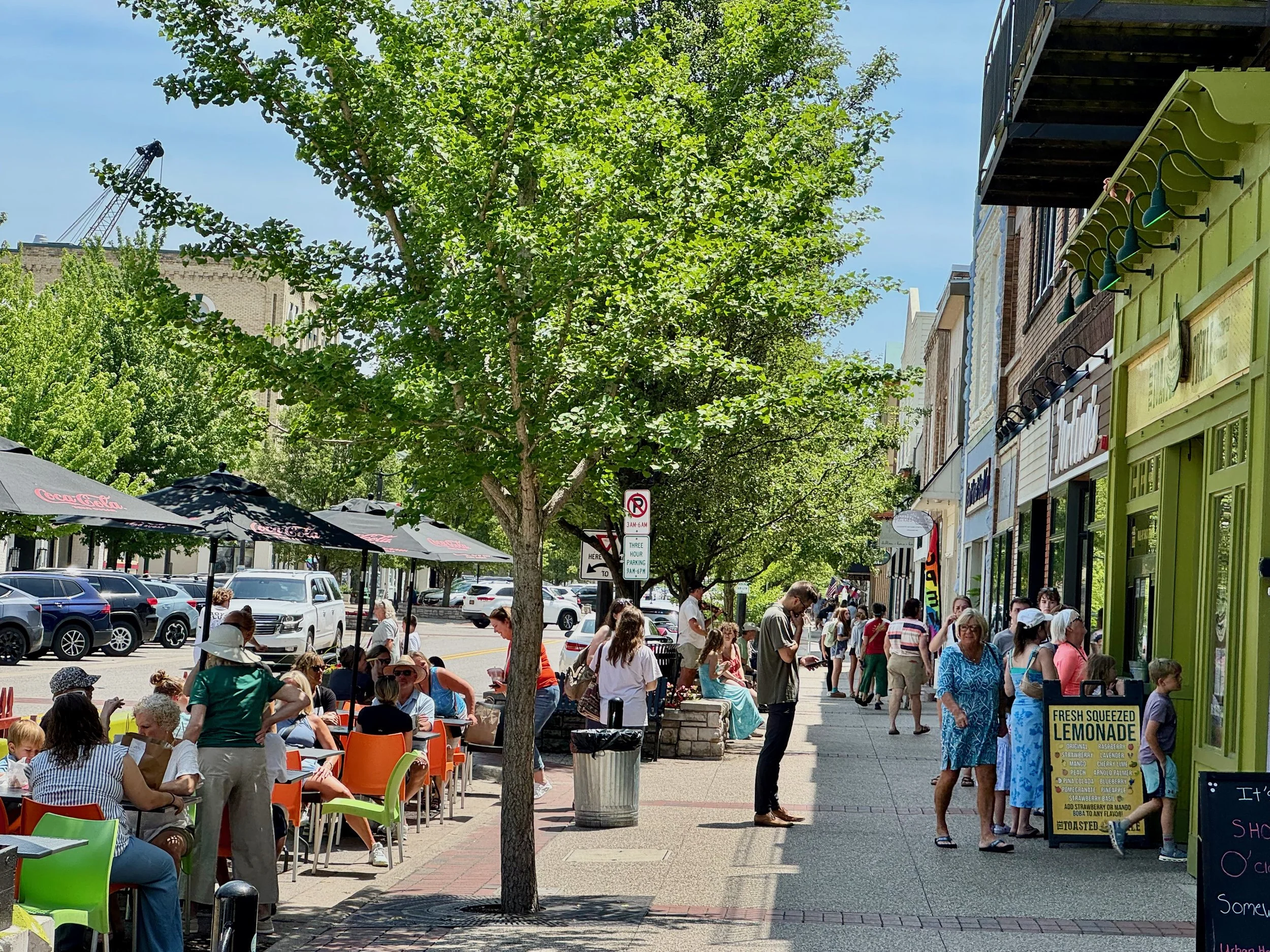
Grand Haven, Michigan
Momentum Condition: Strong destination activity without a unified marketing system
Primary Focus: Translating data, branding, and existing promotion into a focused year-round strategy
Engagement: Strategic Marketing Planning and Consultation Services (Summer 2026)
Downtown Grand Haven already had what many communities spend years building: a recognized destination, a respected Main Street program, established events and branding, extensive market research, and more than 2.7 million annual visits.
Those assets had been built through separate efforts. The DDA needed a way to connect audience targeting, seasonal promotion, business support, events, media spending, partnerships, and measurement with limited staff and a $40,000 annual marketing budget. The work organized those existing pieces into a single marketing system.
What changed
Always in Season became the year-round organizing message
Nearby & Known set the priority audience: residents, nearby West Michigan customers, workers, seasonal residents, repeat visitors, hotel guests, and event attendees
Love Local became the platform for local spending, business stories, repeat visits, and slower-season promotion
Five investment lanes set how the DDA allocates its marketing budget
Seasonal marketing jobs replaced a single annual approach
Events were tied to business activity goals in addition to attendance
Practical tools were prioritized, including a downtown map, shopping and restaurant guides, itineraries, passports, an improved business directory, and a reusable story and photography library
A measurement framework gave staff and the board a realistic way to track progress
Why it matters
The DDA now has a defined marketing role: help people who already know, visit, live near, or travel to Grand Haven choose downtown more often, visit more businesses, and return throughout the year. The strategy was presented to the Grand Haven Main Street DDA Board in July 2026 and received strong support. It now guides annual budgeting, content production, media placement, event activation, partnerships, and performance reporting.
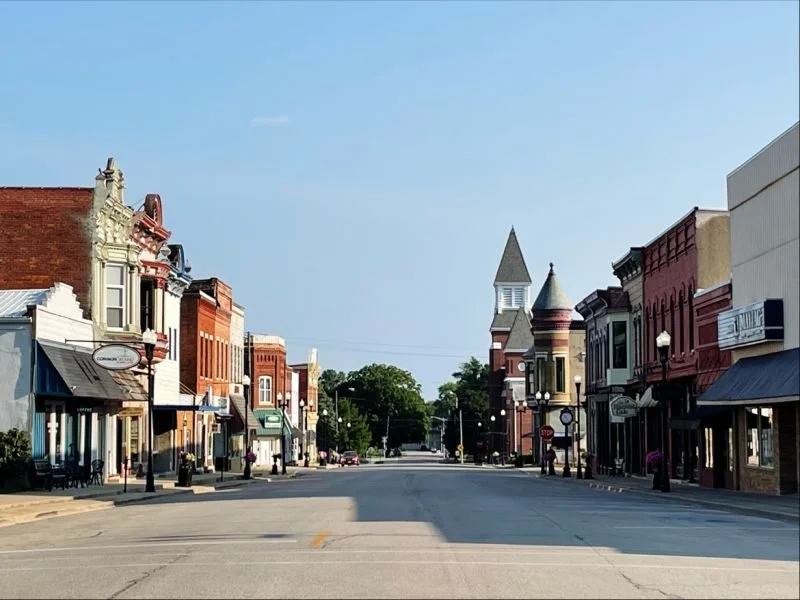
Delavan, Illinois
Momentum Condition: Interest without traction
Primary Focus: Diagnosis, translation, and early stabilization
Engagement: Downtown Business Development Strategy (Summer 2023)
Delavan had entrepreneurial interest and civic pride, but vacancies, deferred maintenance, and the lack of a coordinated business support structure made it hard to turn that interest into action. The work focused on risk, capacity, and sequence instead of a single large project.
What changed
An assessment found roughly one-third of downtown properties needed reinvestment or activation
The core issue was identified as early-stage risk for entrepreneurs and property owners, since demand was already present
A repeatable framework was established around real estate development, small business support, and placemaking
Ready-to-launch programs were developed to reduce risk and show entrepreneurs and property owners that support would be consistent
Why it matters
Delavan moved from cautious optimism to informed action. The community now has a framework for steady, incremental progress and doesn't have to wait on one big breakthrough.
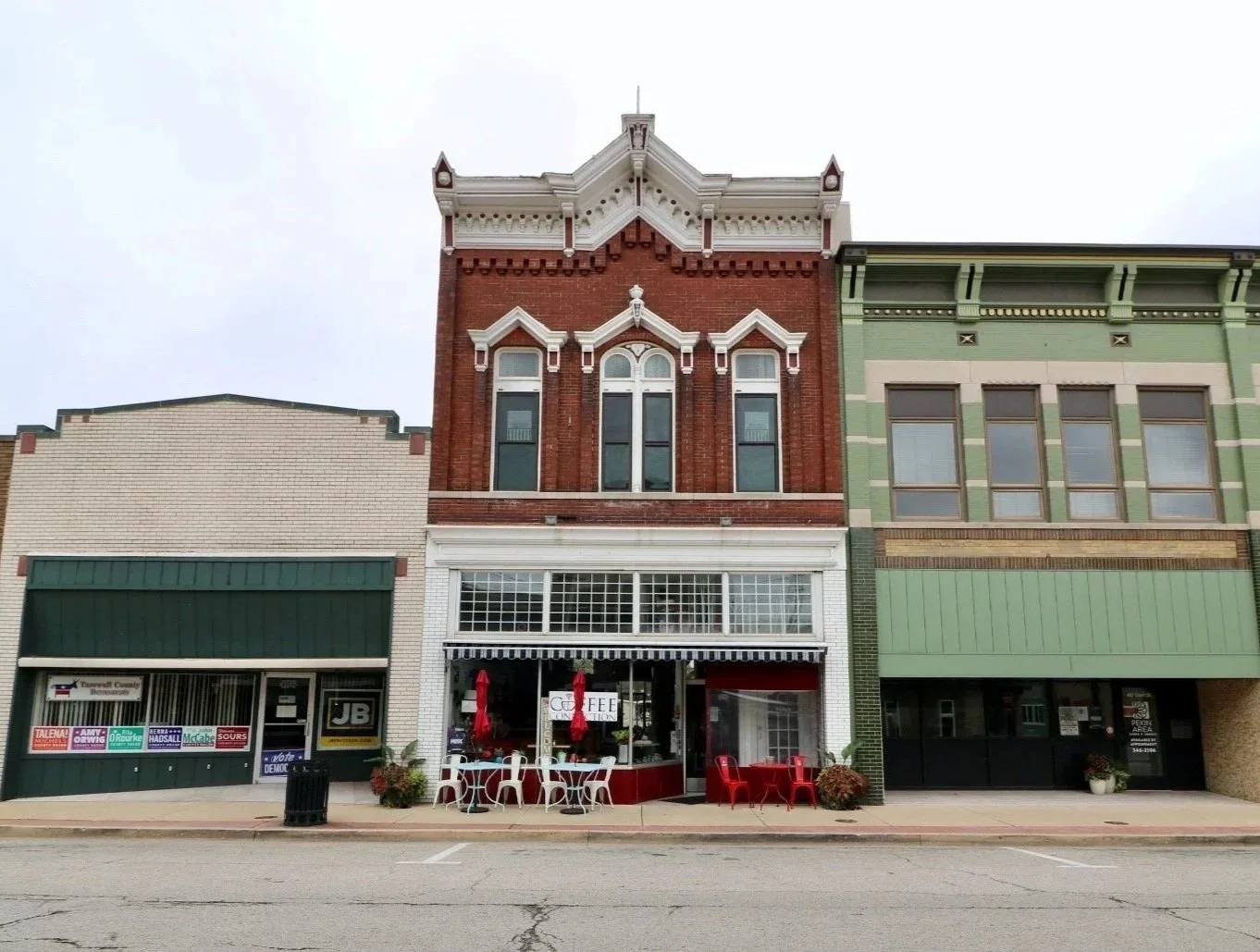
Pekin, Illinois
Momentum Condition: Strategy without alignment
Primary Focus: Diagnosis under political and organizational strain
Engagement: Downtown Reinvestment Strategy (2022–2023)
Downtown Pekin had strong fundamentals, but the City was dealing with leadership turnover, political tension, and organizational instability. It needed a reinvestment roadmap it could defend. The work produced a fundable strategy based on actual conditions and the funding tools already available.
What changed
A downtown report documented building conditions, business mix, and branding gaps
Catalytic sites and demonstration blocks were identified
A four-year action framework was tied to TIF, BDD, and hotel-motel tax funding
An investment model of approximately $2 million per year was defined
The reality
The strategy was complete and ready, but internal disruption prevented adoption and implementation.
Why it still matters
A sound strategy can't overcome unresolved leadership and governance problems. The plan remains implementation-ready and can be picked back up when alignment returns.
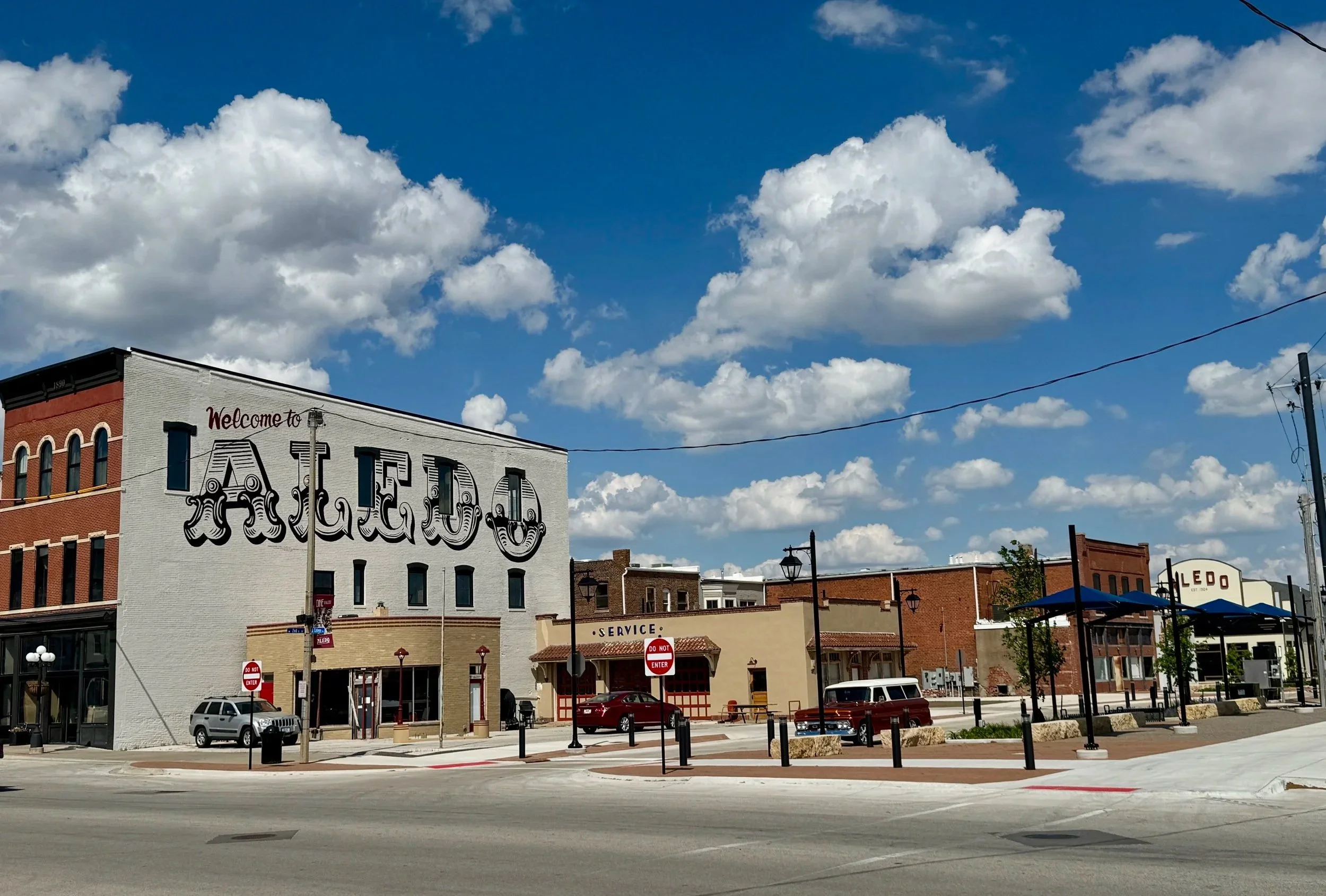
Aledo, Illinois
Momentum Condition: Capacity gaps during reinvestment
Primary Focus: Sequencing, implementation, and long-term stewardship
Engagement: Downtown Reinvestment Strategy & Implementation (2019–2022)
Aledo had strong bones and growing interest, but limited local capacity to work with developers, support businesses, and coordinate reinvestment. The engagement ran for several years and covered implementation as well as planning.
What changed
A downtown strategy was adopted and funded
Demonstration blocks and catalytic sites concentrated early investment
Incentive programs stabilized historic buildings and activated storefronts
Private investor confidence grew as the City followed through consistently
The City and Aledo Main Street formed a new public-private partnership
Why it matters
Aledo shows what a strategy can accomplish when it's backed by local capacity and consistent follow-through over several years. Progress became visible, and it has held.
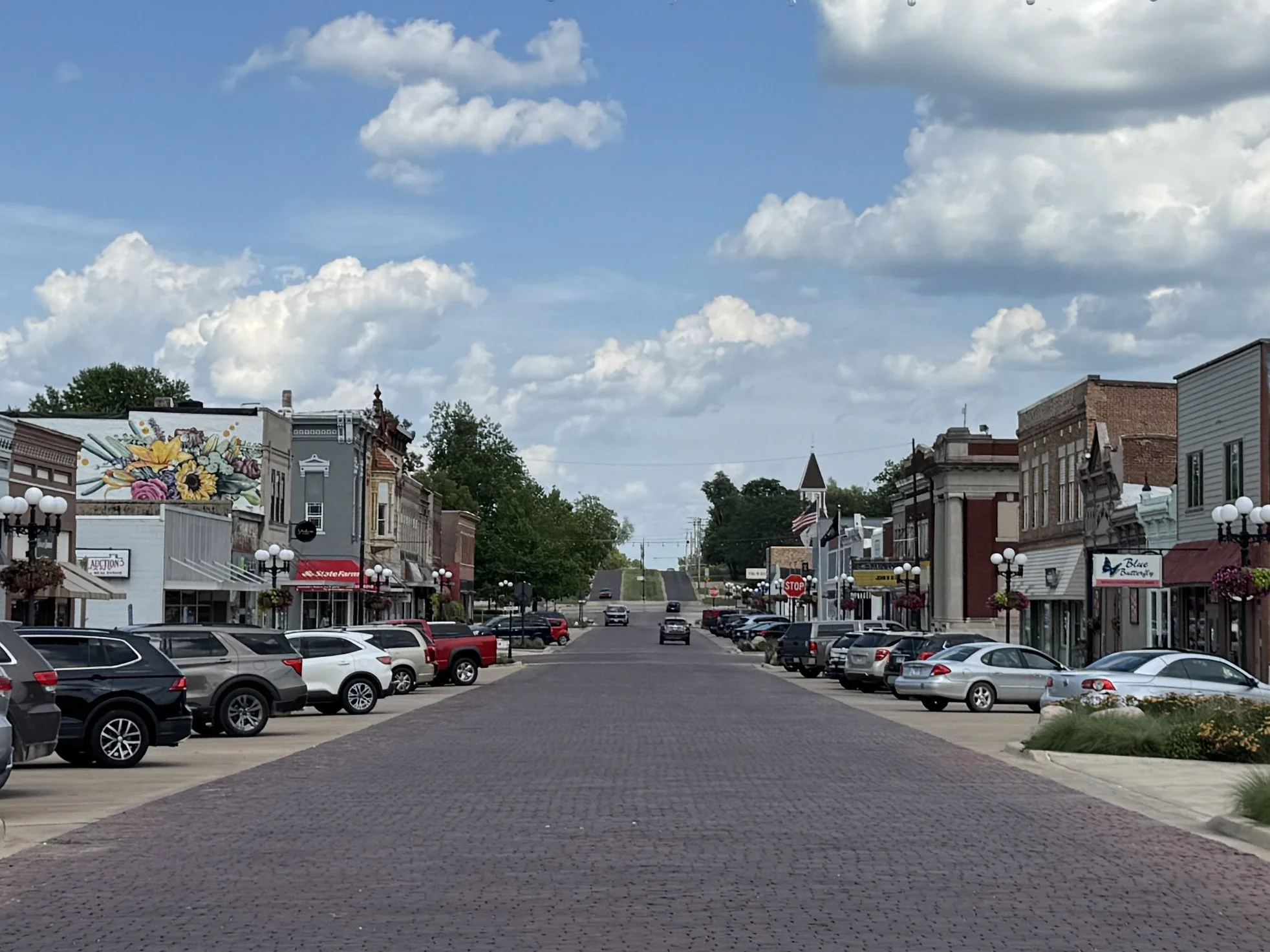
Havana, Illinois
Momentum Condition: Deep stall and loss of confidence
Primary Focus: Long-term stabilization and trust rebuilding
Engagement: Downtown Reinvestment Strategy & Implementation (2016–2020)
Havana had a history of false starts. Confidence and trust were low, and stakeholders doubted another study would lead to change. The work started with diagnosis and continued through several years of hands-on implementation.
What changed
31 downtown stabilization and revitalization projects approved
More than $2.1 million invested in downtown properties
18 new businesses opened
17 real estate transactions completed
Streetscape improvements, placemaking, and public art reinforced downtown's identity
Regular engagement rebuilt trust among stakeholders
Why it matters
Havana's results came from dozens of coordinated projects carried out over time. Sustained capacity and careful sequencing turned a downtown with low expectations into one that could keep growing on its own.
View the full Havana Case Study
Start With Diagnosis
If your downtown is busy but fragile, or active but stuck, start by finding out why. The Downtown Momentum Scorecard shows where momentum is breaking down and what to focus on next.