
Repair 25: How to Know What Fix Actually Comes Next
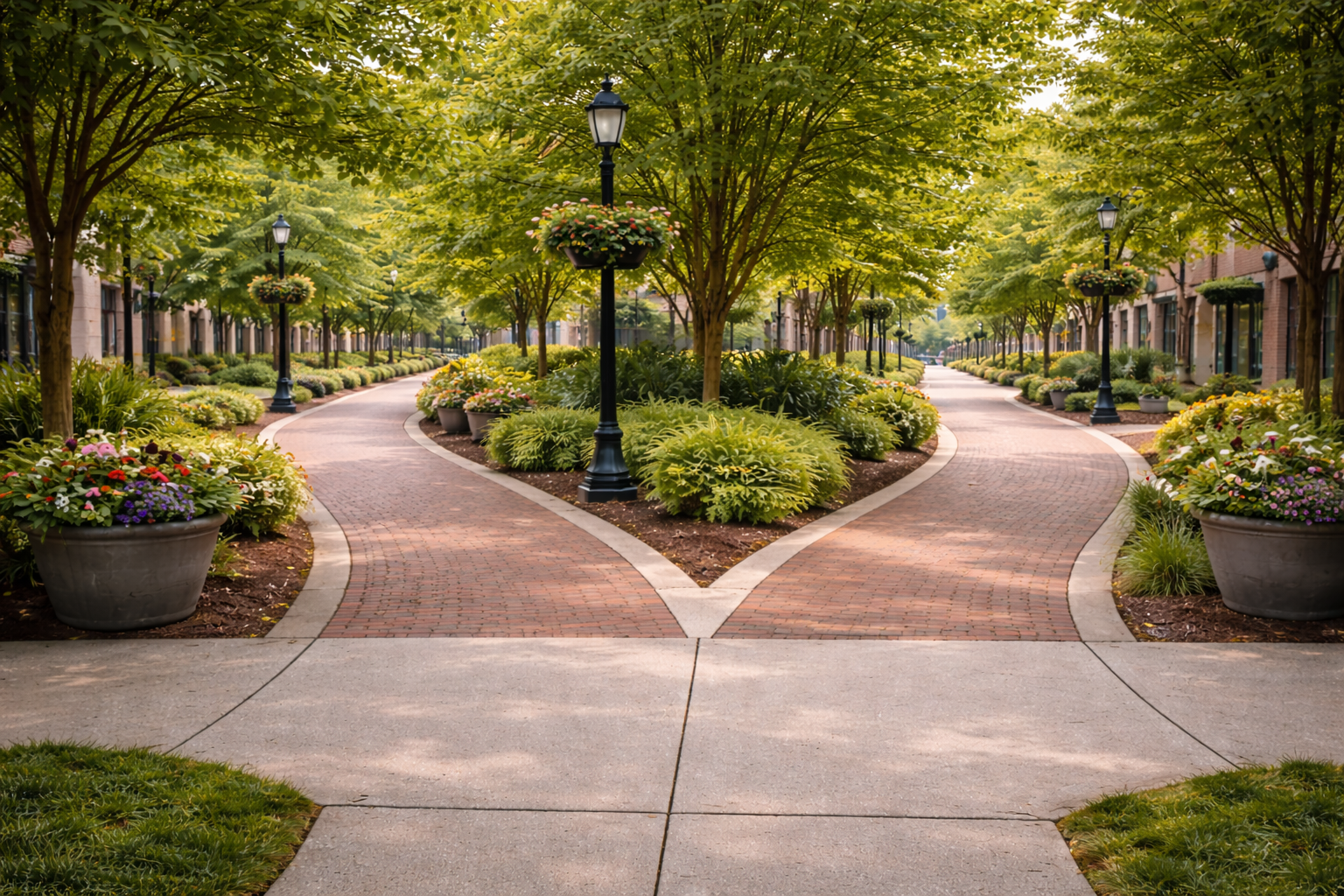
Choosing the right repair at the right time
The Problem
You have ideas.
You have lists.
You have plenty of things you could work on.
But deciding what to do next still feels hard.
Everything seems connected.
Everything feels important.
And choosing the wrong thing feels risky.
This is where many downtowns stall again, not because they lack options, but because they lack sequencing.
Why This Keeps Happening
Downtowns struggle with “what’s next” when:
Problems are treated as equal
Urgency replaces judgment
Energy shifts faster than capacity
Fixes are copied from elsewhere without context
Progress is measured by activity instead of traction
Doing the right thing at the wrong time still slows momentum.
The Fix
The goal is not the perfect fix. The goal is the right fix for right now.
Here is how to decide.
Step 1: Look for What Is Blocking Everything Else
Ask one simple question:
“What, if fixed, would make several other things easier?”
That is often:
A decision issue
A capacity issue
A role clarity issue
Fix constraints before adding projects.
Step 2: Match the Fix to Your Current Capacity
Be honest about:
Staff time
Volunteer energy
Political support
Available funding
If capacity is low, choose stabilizing fixes.
If capacity is strong, choose catalytic ones.
Step 3: Choose Progress Over Visibility
Some fixes feel exciting.
Others feel boring.
Boring fixes often:
Reduce friction
Increase trust
Create room to move
Momentum builds quietly before it shows up publicly.
Step 4: Commit to One Repair at a Time
Trying to fix everything creates noise.
Choose:
One repair
One clear outcome
One short time window
Finish something before starting something else.
Common Mistakes to Avoid
Starting with the most visible problem
Letting the loudest voice decide
Copying another community’s priorities
Treating sequencing as indecision
Good judgment is a skill, not a personality trait.
What to Do This Week
Use this closing checklist:
⬜ Review the Repair Manual list
⬜ Circle three repairs that sound familiar
⬜ Ask which one is blocking the others
⬜ Choose one fix to focus on for 30 days
⬜ Write down what “better” looks like
Clarity grows through use.
How We Help
This question often sits at the center of Downtown Action Planning with Reader Area Development, Inc., helping communities sequence their work based on capacity, context, and timing so effort turns into momentum.
Keep Going
This post closes out The Downtown Repair Manual, a field guide to fixing common downtown problems one issue at a time.
You can:
Revisit any repair as conditions change
Share individual posts with boards or partners
Use the guide as a diagnostic, not a checklist
You do not need to fix everything.
You need to fix the right thing next.