
Repair 18: How to Improve Downtown First Impressions
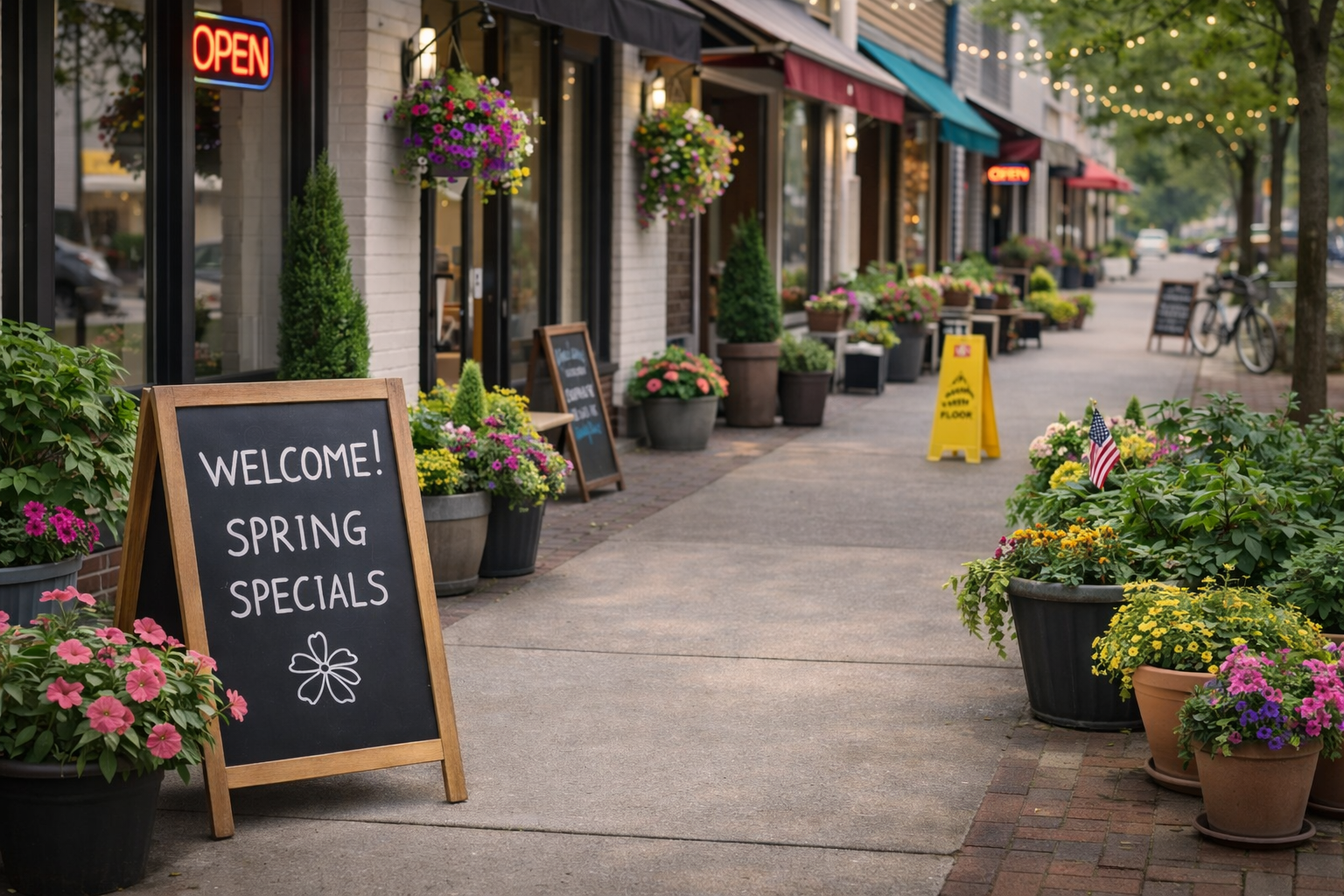
Low-cost fixes that change perception
The Problem
Your downtown needs improvement.
But there is no budget for major projects.
No streetscape overhaul.
No big construction.
No new buildings.
Meanwhile, people still form opinions every day.
Waiting for capital projects often means waiting too long.
Why This Keeps Happening
First impressions stay poor when:
Improvements are tied only to big funding
Small maintenance issues pile up
No one owns the “in-between” work
Temporary fixes are dismissed as unimportant
Perception does not wait for grants.
The Fix
You can change how downtown feels without building anything new.
Here is how to fix first impressions with what you already have.
Step 1: Fix What Is Broken Before Adding Anything New
Look for:
Burnt-out lights
Peeling paint
Broken signs
Dirty windows
Overgrown planters
Neglect signals disinterest.
Step 2: Make Open Feel Open
Visitors should not have to guess.
Simple cues:
Lights on during open hours
Clear, consistent signage
Doors unlocked and visible
Windows that show activity
If it looks closed, people assume it is.
Step 3: Reduce Visual Noise
Too much competes for attention.
Focus on:
Fewer signs, better placed
Cleaner windows
Simplified messaging
Clear paths
Clarity is more welcoming than decoration.
Step 4: Focus on One Block at a Time
Improvement does not need to be everywhere.
Choose:
One arrival block
One visible corridor
One cluster of businesses
Momentum spreads when people can see it.
Common Mistakes to Avoid
Waiting for perfect funding
Ignoring maintenance
Adding banners instead of fixing basics
Trying to improve everything at once
Small wins build confidence.
What to Do This Week
Try this checklist:
⬜ Walk one block with fresh eyes
⬜ List five small fixes
⬜ Fix two immediately
⬜ Coordinate with one business
⬜ Take before-and-after photos
Perception shifts faster than budgets.
How We Help
This type of work is often part of Downtown Action Planning efforts with Reader Area Development, Inc., helping communities identify low-cost, high-impact changes that improve how downtowns are experienced right away.
Keep Going
This post is part of The Downtown Repair Manual, a field guide to fixing common downtown problems one issue at a time.
You do not need new buildings to feel better.
You need clearer signals.