
Repair 05: What to Do When Property Owners Will Not Respond
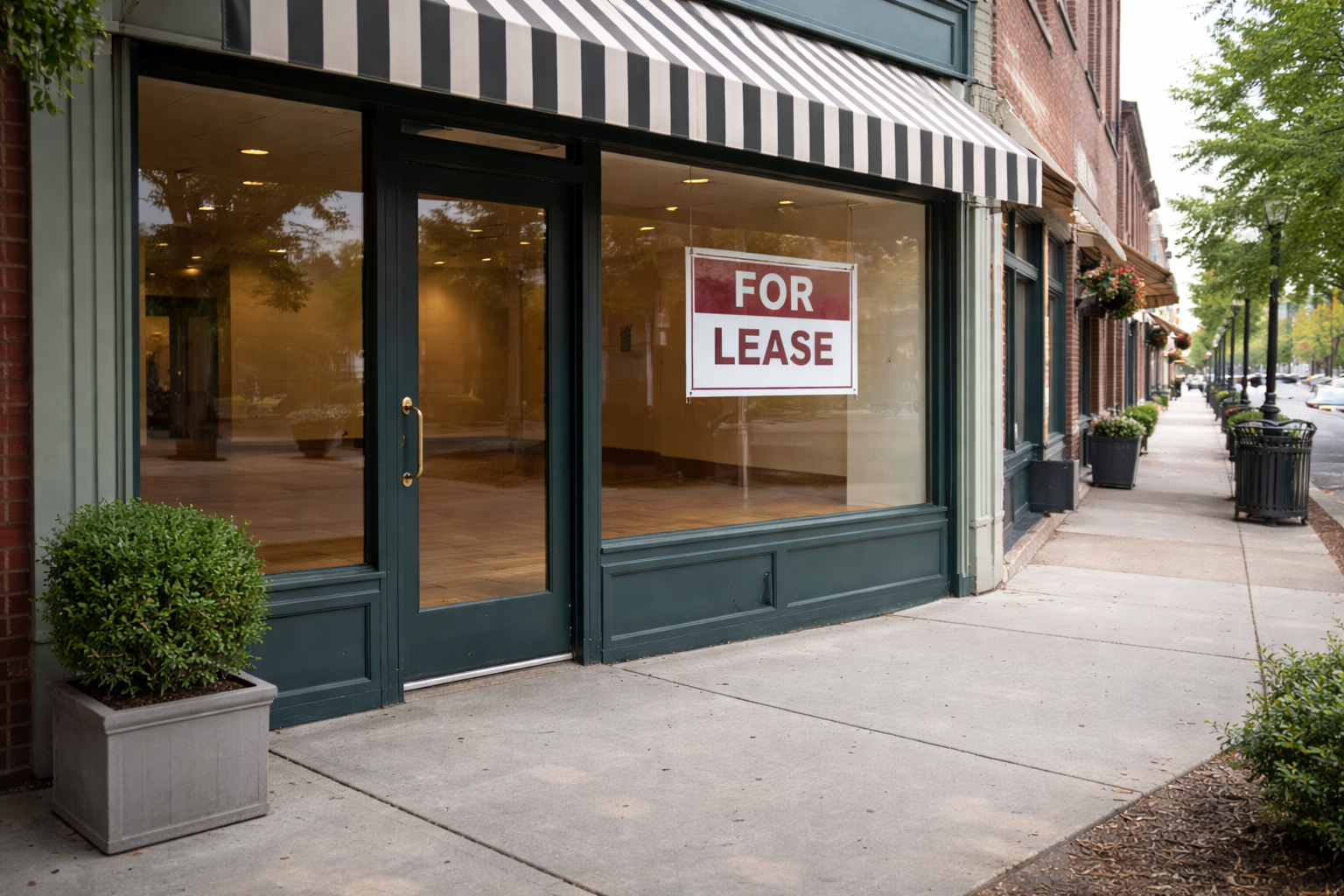
How to move forward without waiting forever
You've called. You've emailed. You've followed up. Nothing.
A key building sits dark. A project is stuck in neutral. And your whole downtown is essentially on hold waiting for one person to pick up the phone.
This is one of the most common — and most frustrating — things that kills downtown momentum. And the hard truth is, you can't force someone to respond.
But you can change how much power their silence has over you.
Why they're not responding
Before you take it personally, understand what's usually going on.
Most unresponsive property owners aren't being malicious. They might not live nearby and the building just isn't front of mind. They might be unsure what they want to do with it. They might have had a bad experience in the past and learned that engaging creates headaches. Or nobody has actually shown them a clear, compelling reason to act.
Silence usually means uncertainty — not a hard no. But it still costs you time you don't have.
What keeps people stuck
Letting one property owner freeze multiple unrelated projects
Sending the same outreach message on a loop hoping for a different result
Taking the silence as a referendum on the work
Waiting for permission to move forward
Downtowns gain momentum when people stop waiting for unanimous buy-in and start building proof that something is working.
Here's how to stop letting it stall you
Step 1: Stop letting one building hold everything hostage
This is the trap. One stubborn property becomes the thing everyone's focused on, and meanwhile everything else slows down waiting for resolution.
Name it honestly: this building matters, and it doesn't control all progress. Shift your energy toward the places where movement is actually possible. Progress elsewhere builds your case and keeps the work moving.
Step 2: Change the ask
Generic outreach gets ignored. "What are your plans?" and "Can we set up a call?" are easy to skip past.
Try something more specific instead. "Here's one option we're exploring for this block." "We're moving forward with or without this space — wanted to give you a heads up." "Here's what a few similar property owners in comparable markets have done."
Concrete options invite real responses. Open-ended questions just give people something to defer.
Step 3: Lead with information, not persuasion
The goal isn't to pressure anyone. It's to reduce uncertainty — because that's usually what's keeping them quiet.
Share what you know: who's expressed interest in the area, what comparable spaces are renting for, what's already happening on nearby blocks. You're not pitching them. You're showing them that the picture is clearer than they might think, and that inaction has a cost they may not have fully considered.
Step 4: Design around the silence
Here's the move most people skip: plan as if the owner will never respond, and build progress anyway.
Activate the spaces around it. Adjust your programming and event layouts to work without it. Invest in what's already occupied. Redirect energy toward the movable opportunities.
Nothing gets an unresponsive owner's attention faster than watching the block improve without them.
Your checklist for this week
✓ Find out which of your current projects are waiting on a single owner
✓ Rewrite your outreach with a specific option or piece of news — not a general ask
✓ Pull two local data points you can share without pressure
✓ Build a version of your plan that doesn't depend on a response
✓ Identify one movable opportunity to redirect your energy toward
One shift in how you approach this changes the whole tone of the work.
Want help with this?
This is a common sticking point in Real Estate Redevelopment Support— helping communities figure out where progress is genuinely blocked versus where momentum can be built without waiting on a single property owner.
This post is part of The Downtown Repair Manual — a practical field guide to fixing the most common downtown problems, one repair at a time.
You don't need every door to open. You just need one that will.